
What to know, and what to ask, before you choose. About a 5-minute read.
Researching and buying an RV is a significant undertaking, especially if it’s your first. It’s a big budget item that has to function as a house and a vehicle, holding all your travel gear, protecting you from the elements, and keeping you and your valuables safe on the road. To cap it all off, it needs to be as relaxing as home, with similar decor and features that provide comfort at the end of a long day.
So when it comes to such an important decision, research is vital. At DRV, we want you to find your ideal RV, which is why we’ve created this buyer’s guide. We’ll help you ask the right questions to find your perfect RV and travel in style for years to come. Because there’s nothing better than camping, surrounded by nature, with the peace of mind that you have exactly what you need.
All RVs fall into two top-level categories: motorized or towable. Motorized RVs have an onboard motor, with an RV built atop a commercial vehicle base capable of supporting heavy loads, like a truck, bus or van chassis. Towable RVs attach to a separate tow vehicle, which is most often a heavy duty pickup truck.
Between those two main categories, there are six sub-types of RVs:
Within these designations, RVs can also be categorized by their primary attributes, including light or ultralight, mini or small, luxury, minimalist, all-season, suitable for full-time living, etc.
The first step in narrowing down RV types is knowing what you’ll need. For instance, a fifth wheel that’s suitable for full-time living will have a different set of features and amenities than a miniature trailer used for weekend trips only in the summer months.

At DRV, we specialize in making high-end fifth wheels with uncompromising quality, residential construction and luxurious amenities. Mobile Suites includes all the finer comforts of home, with all-season comfort for full-time living.
As you begin researching the wide variety of available RV models, there are a number of things you’ll want to consider. Knowing which questions to ask can save you time and help you narrow down your options. These are our recommendations for areas to research and details to learn more about.
Now that you know the basic differences between types of RVs, you’ll want to consider the finer details of each type to find which models suit your needs best. You may find the following questions useful:
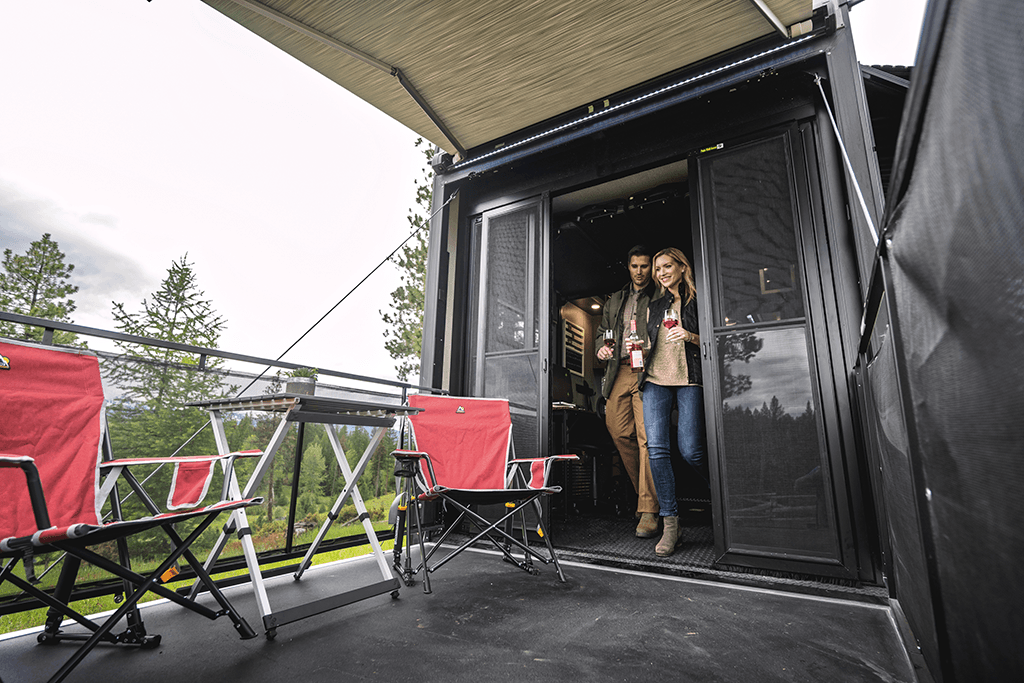
Each RV manufacturer has its own set of values, priorities, building processes, specialties and warranties – so it’s worth it to research which manufacturers align with your own preferences. Within manufacturing companies, there may be sub-brands tailored to meet specific market demands. For example, some brands are designed to be more sporty and rugged, while others specialize in tiny, minimal RVs that are easy to transport but light on amenities. By researching which companies and sub-brands specialize in the specific RV types, construction and amenities you prefer, you’ll be able to narrow down your options more easily.
Different sizes and weights of RVs will come with different benefits and drawbacks. Smaller, lighter RVs can be easier to tow and better for gas mileage, but may not be rated for camping in more extreme temperatures. Longer, heavier RVs can come with improved storage and incredible amenities, but may require you to purchase or upgrade your tow vehicle to handle the RV properly.
Here are some additional size- and weight-related questions to consider:
If you purchase a towable RV, you’ll need to match it with an appropriate tow vehicle capable of handling its weight and size. Tow vehicles that may be capable for one RV may not have enough power to handle another. Some questions to ask are:
Do you currently own a vehicle capable of towing an RV?
Two more important considerations in your search for your ideal RV are floor plan styles and storage. With so many different RV models on the market, there’s a nearly endless variety of floor plans to choose from. You might prefer an RV with a bunkhouse for guests, a second bathroom or slides that provide additional floor space in key areas. Floor plans and storage go hand-in-hand, with some floor plans naturally offering additional space. But most RVs will have a variety of storage areas, from basement storage outside to under-bed space, walk-in closets or oversized pantries inside. In order to narrow down your options, contemplate:
What’s the maximum amount of people you might travel with (such as friends or family), and how many beds would you need to have available?
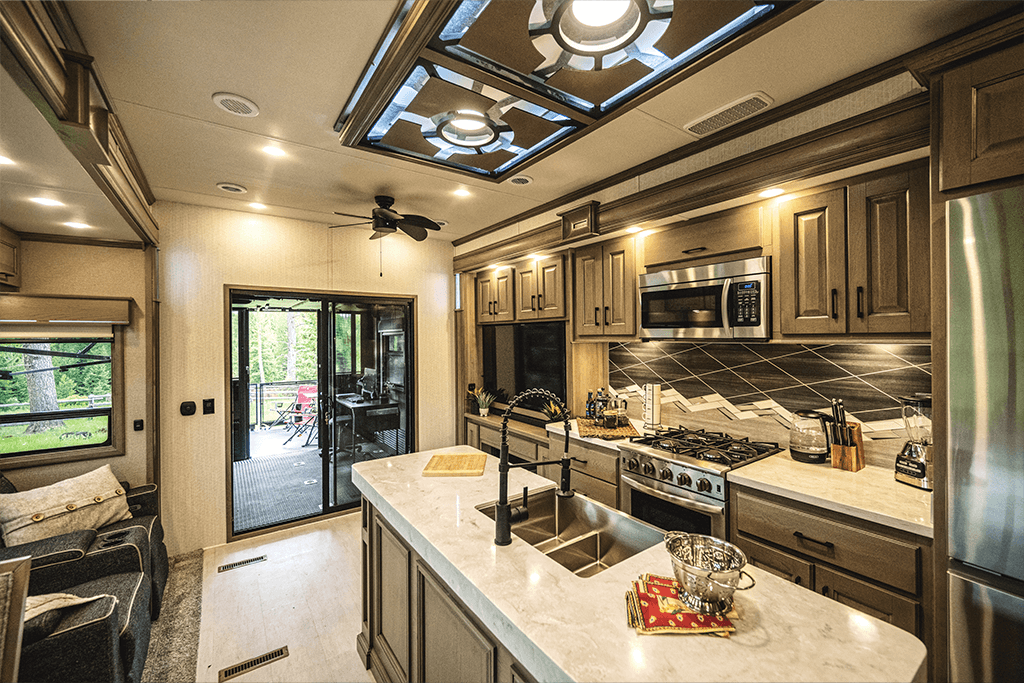
RVs can offer a range of amenities from the bare-bones basics to high-end technology, decor and appliances. Depending on your preferences, you may find an extra-small RV comfortable for short weekend trips but not long-term travel, or you may love a premium model for resort camping but not boondocking. Think about the following:
Not every RV is appropriate for full-time living or for use in colder temperatures. If you plan to live in your RV full-time (for all or part of the year), look for features and warranties that account for that kind of use. RVs specially designed to withstand colder weather will typically state that upfront and include components that ensure low temperatures don’t damage your RV.
Your preferred camping locations can also play a part in deciding which RV to buy. People who enjoy camping off-grid, or boondocking, may want to look for models with onboard generators or solar panels, larger fresh water tanks and smaller appliances that draw less power. If you’ll only stay at campsites with full hookups, you might prioritize a higher level of comfort with bonus amenities, knowing that you’ll have a healthy supply of electricity and fresh water, and plenty of access to waste removal stations.

Owning an RV can result in additional unforeseen costs if you haven’t done thorough research. Choosing a luxury toy hauler might mean you also need to buy a heavy-duty pickup truck to tow it. Larger, heavier models can require more gas to tow than other options, so if you plan on a cross-country trip or moving campsites frequently, you might want a lighter model. Certain camping destinations (opens in a new tab) may have requirements for RVs, like length limitations for older campsites, or length minimums and restrictions on RV types for more expensive resorts.
When you’ve purchased an RV and you’re getting ready to take ownership, keep these suggestions in mind:
After you’ve done all your research, narrowed down your options and purchased your perfect RV model, there’s one last thing to do: plan an amazing journey and have a wonderful time. With proper care and maintenance, your RV will provide you and your family with rich experiences you’ll treasure for years to come. So here’s to a lifetime of adventure and the kind of memories that make life worthwhile.
The next step
A product specialist can answer what a guide can’t, or you can put the two 2027 floor plans side by side.